
Product Description
DIN 8187 Industry Sprocket Made to Order Stainless Steel Sprocket for Roller Chain & Agriculture Chain & Food Machinery (DIN, ANSI Standard)(06B20T)
Product Description
1. Produce strictly in accordance with ANSI or DIN standard dimension
2. Material: C45 steel / Stainless Steel 304 & 316
3. Standard: ANSI, DIN, JINS, ISO, Standard America or customer drawing
4. Pilot bore, finished bore, taper bore and special bore.
5. Bright surface and high precision
6. Advanced heat treatment and surface treatment craft
7. Best quality and competitive price.
8. Welcome OEM / ODM
9. Application: Sprocket is mainly used in agricultural machinery, conveying machinery, mine mining machinery, construction machinery, mechanical transmission equipment of oil and so on.
10. Processing equipment: Hobbing machine, Slotting machine, CNC lathes and other equipment.
11. Sprocket models: Contains special sprocket (custom) according to customer’s drawings, standard sprocket (American standard and metric).
Features:Sprocket / Gear / CZPT / Steel CZPT / Lost wax casting and accessories / Investment casting
Materials: Carbon steel, alloy steel, stainless steel, ductile iron, gray iron, high chromium iron
| Product name | DIN 8187 Industry Sprocket (06B20T) |
| Materials Available | 1. Stainless Steel: SS304, SS316, etc |
| 2. Alloy Steel: C45, 45Mn, 42CrMo, 20CrMo, etc | |
| 3. OEM according to your request | |
| Surface Treatment | Heat treatment, Quenching treatment, High frequency normalizing treatment, Polishing, Electrophoresis paint processing, Anodic oxidation treatment, etc |
| Characteristic | Fire resistant, Oil resistant, Heat resistant, CZPT resistance, Oxidative resistance, Corrosion resistance, etc |
| Design criterion | ISO DIN ANSI & Customer’s Drawing |
| Size | Customer’s Drawing & ISO standard |
| Application | Industrial transmission equipment |
| Package | Wooden Case / Container and pallet, or made-to-order |
| Certificate | ISO9001: 2008 |
| Advantage | Quality first, Service first, Competitive price, Fast delivery |
| Delivery Time | 20 days for samples. 45 days for official order. |
Detailed Photos
View more products,please click here…
Company Profile
| Standard Or Nonstandard: | Standard |
|---|---|
| Application: | Industry |
| Hardness: | Hardened Tooth Surface |
| Material: | Alloy Steel/Stainless Steel |
| Type: | Sprocket |
| Sample: | for Free |
| Samples: |
US$ 0/Piece
1 Piece(Min.Order) | |
|---|
| Customization: |
Available
| Customized Request |
|---|
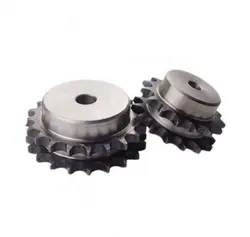
Best Lubrication Practices for wheel sprocket Systems
Proper lubrication is essential for maintaining the efficiency and longevity of wheel sprocket systems. The lubrication practices can vary depending on the specific application and the environment in which the system operates. Here are some best practices for lubricating wheel sprocket systems:
- Cleanliness: Before applying any lubricant, ensure that the wheel sprocket surfaces are clean and free from dirt, debris, and old lubricant residue. Cleaning the components helps prevent contaminants from mixing with the lubricant and causing additional wear.
- Choose the Right Lubricant: Select a lubricant specifically designed for the wheel sprocket system. Consider factors such as load, speed, temperature, and environmental conditions when choosing the appropriate lubricant. Some systems may require grease, while others may need oil-based lubricants.
- Apply Adequate Amount: Apply the lubricant in the right quantity to ensure proper coverage of the contacting surfaces. Too little lubricant may not provide sufficient protection, while too much can lead to excess heat and waste.
- Regular Lubrication Schedule: Establish a maintenance schedule for lubrication based on the operating conditions of the system. In high-demand applications, more frequent lubrication may be necessary to prevent premature wear.
- Monitor and Reapply: Regularly monitor the condition of the wheel sprocket system and observe any signs of inadequate lubrication, such as increased friction or unusual noise. Reapply lubricant as needed to maintain optimal performance.
- Re-lubrication After Cleaning: If the wheel sprocket system is cleaned, ensure that fresh lubricant is applied after cleaning to restore the protective layer.
- Consider Lubrication Type: Depending on the application, consider using dry lubricants or solid lubricants for environments where dust and dirt accumulation may be a concern.
It’s essential to follow the manufacturer’s recommendations and guidelines for lubrication. Additionally, consult with lubrication experts or equipment suppliers for specific recommendations based on your wheel sprocket system’s unique requirements.
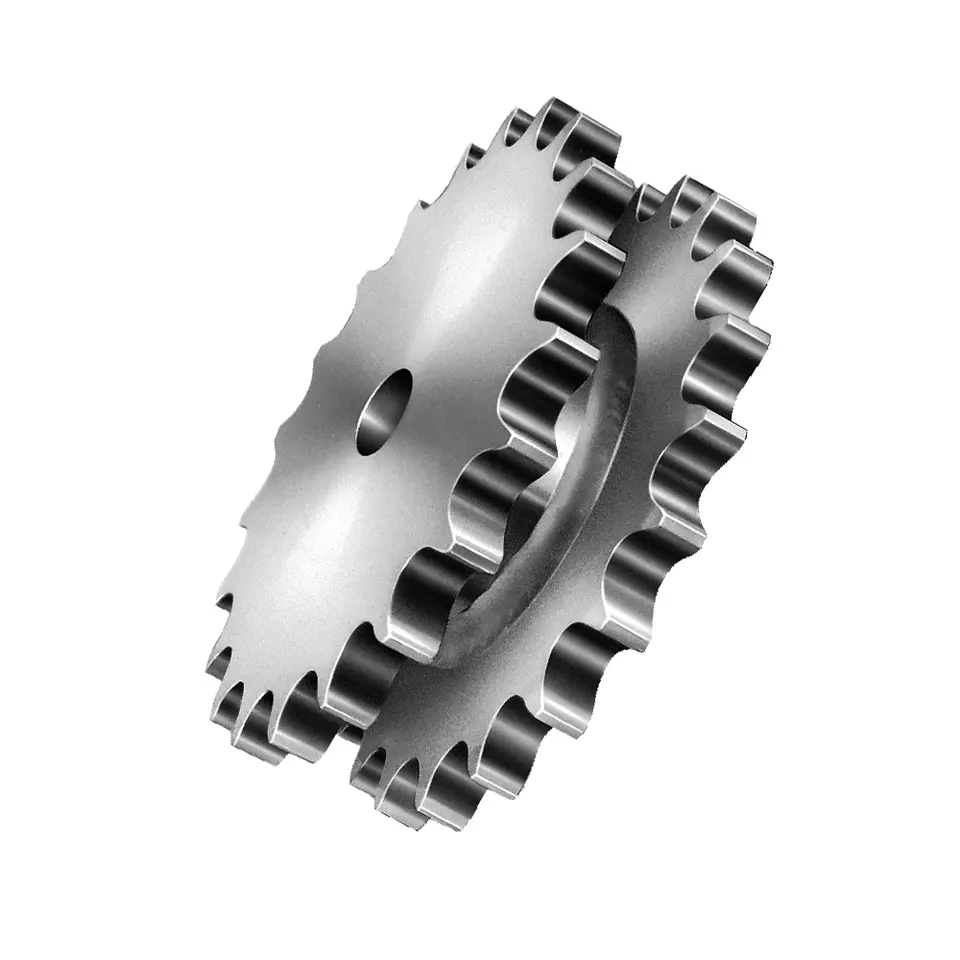
Temperature Limits for wheel sprocket System’s Operation
The temperature limits for a wheel sprocket system’s operation depend on the materials used in the construction of the components. Different materials have varying temperature tolerances, and exceeding these limits can lead to reduced performance, premature wear, and even system failure.
Here are some common materials used in wheel sprocket systems and their general temperature limits:
- Steel: Steel sprockets and wheels, which are widely used in many applications, typically have a temperature limit ranging from -40°C to 500°C (-40°F to 932°F). However, the specific temperature range may vary based on the grade of steel and any coatings or treatments applied.
- Stainless Steel: Stainless steel sprockets and wheels offer improved corrosion resistance and can withstand higher temperatures than regular steel. Their temperature limit is typically between -100°C to 600°C (-148°F to 1112°F).
- Plastics: Plastic sprockets and wheels are commonly used in low-load and low-speed applications. The temperature limit for plastic components varies widely depending on the type of plastic used. In general, it can range from -40°C to 150°C (-40°F to 302°F).
- Aluminum: Aluminum sprockets and wheels have a temperature limit of approximately -40°C to 250°C (-40°F to 482°F). They are often used in applications where weight reduction is critical.
It’s essential to consult the manufacturer’s specifications and material data sheets for the specific components used in the wheel sprocket system to determine their temperature limits accurately. Factors such as load, speed, and environmental conditions can also influence the actual temperature tolerance of the system.
When operating a wheel sprocket system near its temperature limits, regular monitoring and maintenance are necessary to ensure the components’ integrity and overall system performance. If the application involves extreme temperatures beyond the typical limits of the materials, specialized high-temperature materials or cooling measures may be required to maintain reliable operation.
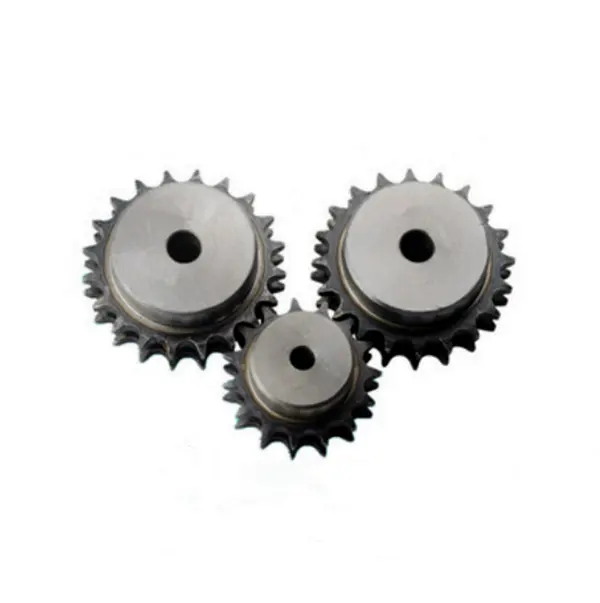
Working Principle of a wheel sprocket System
In a wheel sprocket system, the sprocket is a toothed wheel that meshes with a chain or a belt to transmit rotational motion and power from one component to another. The working principle can be explained in the following steps:
1. Power Input:
The system begins with a power input source, such as an electric motor or an engine, that generates rotational motion or torque.
2. Sprocket and Chain/Belt:
The power is transferred to the sprocket, which is mounted on a shaft. The sprocket has teeth that fit into the gaps of the chain or engage with the teeth of the belt.
3. Chain/Belt Movement:
As the sprocket rotates, it pulls the chain or belt along with it due to the engagement between the teeth. This movement is transmitted to the connected component, which could be another sprocket, a wheel, or any other part of the machinery.
4. Power Output:
The rotational motion or power is then delivered to the connected component, which performs a specific function depending on the application. For example, the power could be used to drive a conveyor belt, rotate the wheels of a vehicle, or operate various industrial machines.
5. Speed and Torque:
The size of the sprocket and the number of teeth, along with the size of the chain or belt, determine the speed and torque ratio between the input and output components. Changing the size of the sprocket or using different-sized sprockets in the system can alter the speed and torque characteristics of the machinery.
6. Efficiency and Maintenance:
Efficient power transmission relies on proper alignment and tension of the chain or belt with the sprocket. Regular maintenance, such as lubrication and inspection, is essential to ensure smooth operation and prevent premature wear or damage to the system.
The wheel sprocket system is widely used in various applications, including bicycles, motorcycles, industrial machinery, agricultural equipment, and more, where efficient power transmission and motion control are required.


editor by CX 2023-09-19